There was a time, not long ago, when spending money felt like spending money. You'd open your wallet, count out the notes, feel their slight papery drag between your fingers, stack the coins in your palm and hear them clink against each other. You handed the whole warm pile to another human being. It took a moment. That moment mattered.
Nobody designed that friction on purpose. It was just a side effect of money being a physical thing. But it was doing quiet, useful work all the same – a tiny built-in pause between wanting something and paying for it. A speed bump nobody asked for that nearly everyone relied on.
Does paying in cash actually reduce overspending?
Neuroscientists who study spending behaviour have known for a while that physical payment activates different parts of the brain than digital payment does. Handing over cash produces a measurable stress response – a faint, momentary discomfort that registers the loss. It's sometimes called the "pain of paying." And it is not a bad thing. That little wince was doing the job of a conscience.
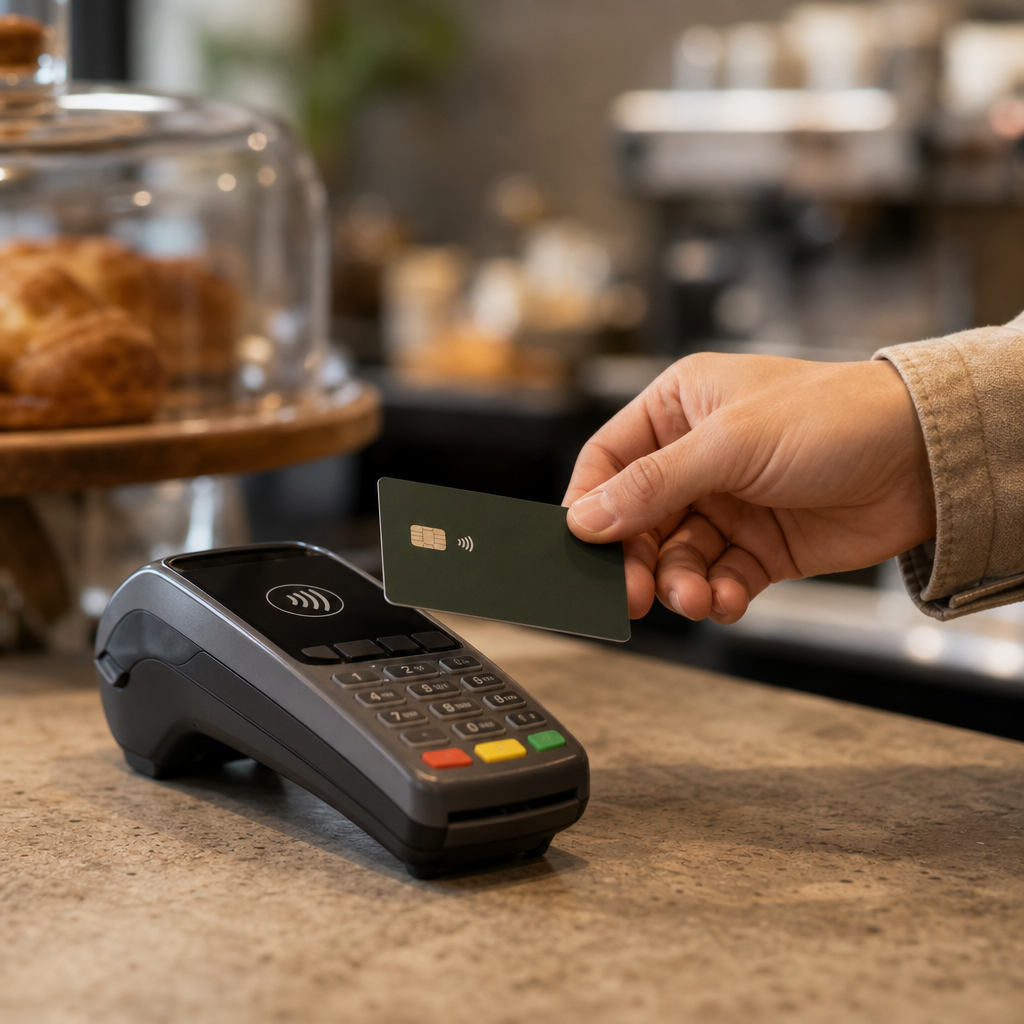
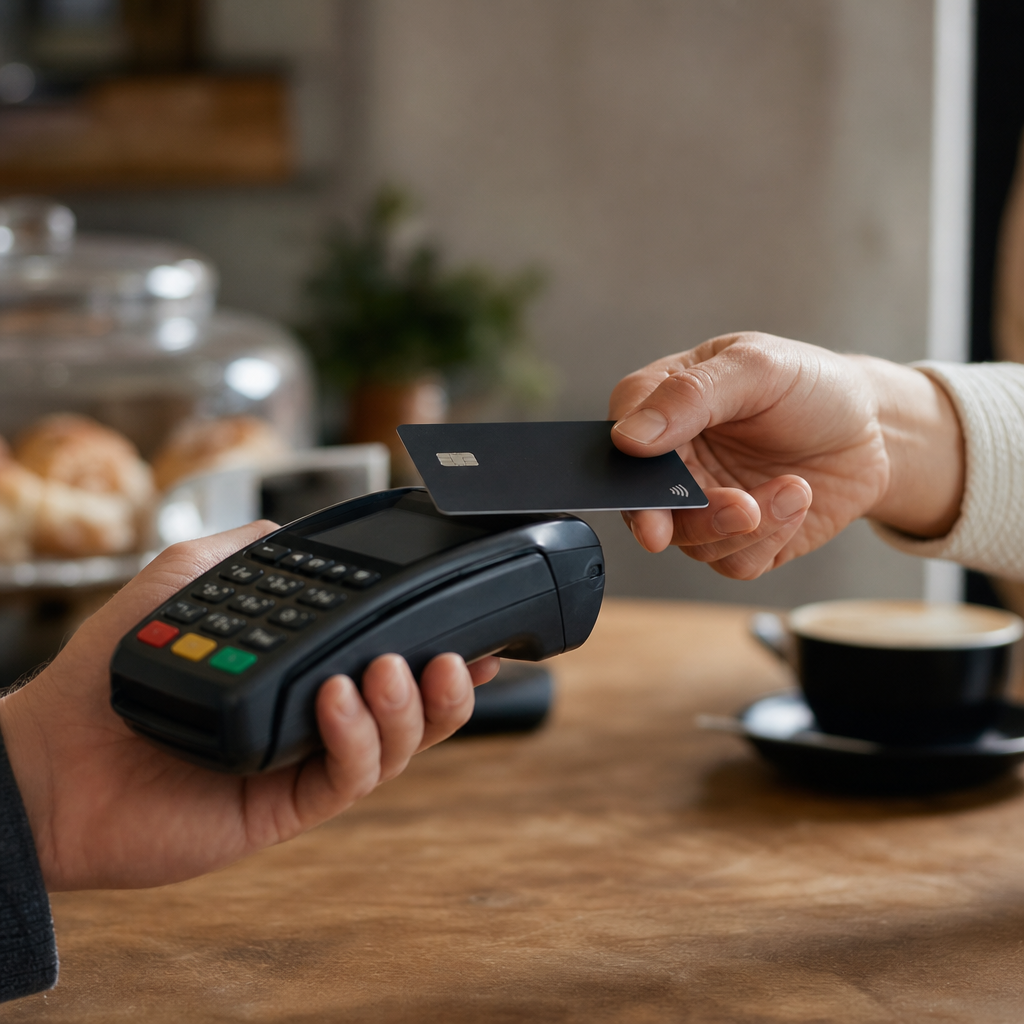
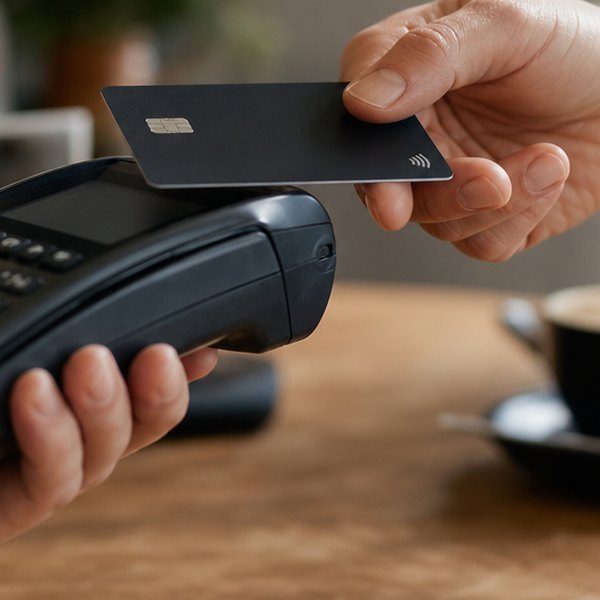
Tapping a card produces almost none of it. The transaction feels, to the brain that evolved counting out Roman denarii, like barely anything at all. Nothing left your hand, nothing heavy changed pockets, no coins shifted. The brain logs it somewhere, eventually, but not in the moment – and the moment is when the decision gets made.
What Got Quietly Removed
The clink, the counting, the physical handover – these were accidental brakes built into every transaction. Retailers knew this even before the science did. Casinos replace cash with chips because the translation makes it easier to bet. Theme parks sell wristbands. Gift cards are popular partly because the moment of payment got separated from the moment of spending. Once the friction is gone, the spending flows.
Digital payments simply took that principle and installed it everywhere, in every coffee shop and corner off-licence in the country. The tap replaced the pause. Speed replaced deliberation. UK household savings rates, which sat comfortably in double digits through the cash-heavy decades, dropped sharply once contactless became the norm – not because people got greedier or more reckless, but because the small mechanical drag that used to slow them down had been optimised away.
For a look at the surprising amount of practical information that gets woven into everyday objects, The Tiny Technical Manual Sewn Into Your Clothes.
How can you put friction back into your spending?
Since nobody is going to reinstall coin-operated supermarkets, the trick is to re-introduce friction manually. Some people withdraw a fixed cash amount each week for discretionary spending, precisely to feel it leaving. Others set up a rule: anything over £30 online has to sit in a basket for 24 hours. Not because the item gets cheaper – it doesn't – but because the gap does what the coins used to do. It gives the brain time to weigh up what's actually happening.
The tap is quick. That's the entire point of it, and it is very good at being quick. It's just not very good at saving you money.
Questions this raises
- Do people really spend more using contactless?
- What is the UK contactless limit now?