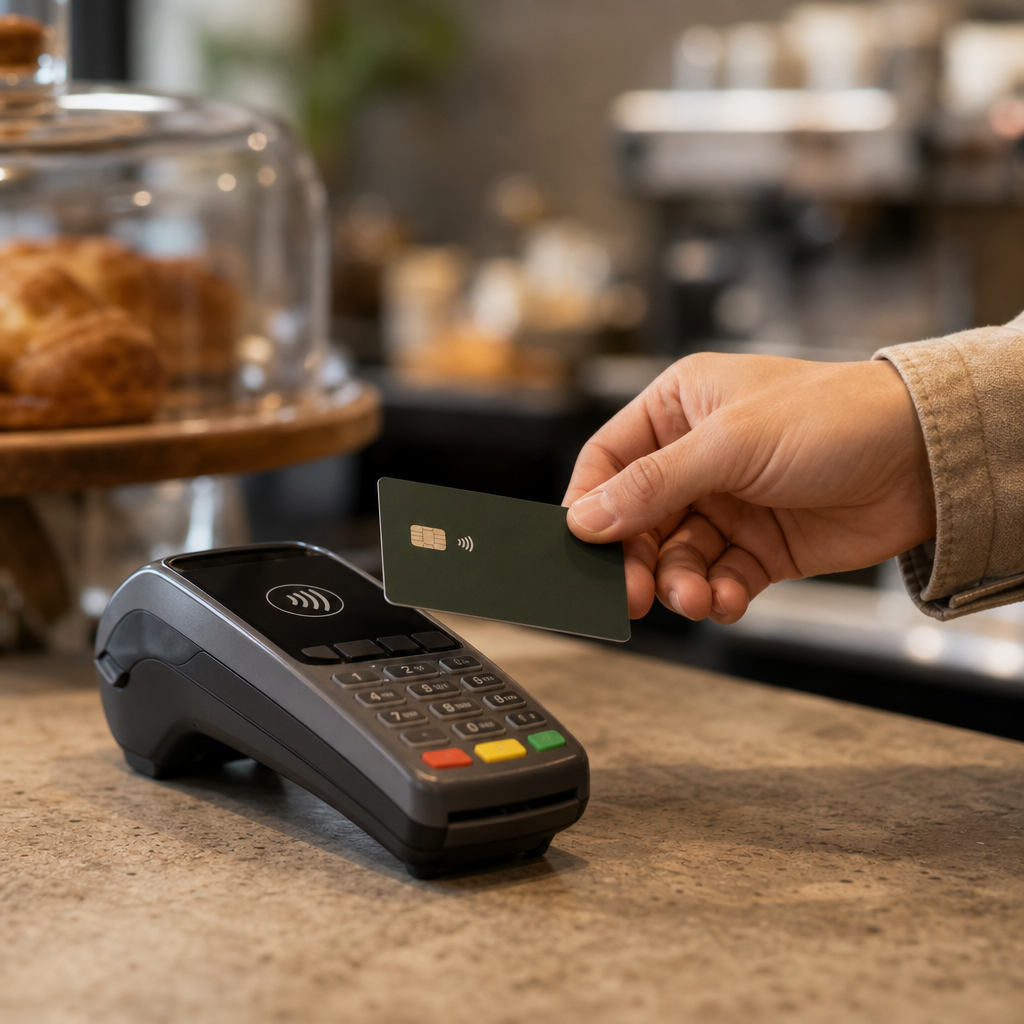
There is a brilliant, horrible trick at the heart of modern spending. It's not a scam exactly, more of an absence. The trick is that paying for something now feels like almost nothing at all, and that nothingness is doing serious work on your bank balance every single day.
Go back twenty years and buying a round of drinks, a new jacket or a tank of petrol meant handling actual money. Notes had weight. A tenner had texture. When you handed it over, your hand got lighter and your wallet got thinner and your nervous system registered both. Neuroscientists call this the "pain of paying" – the mild but real discomfort that fires when money physically leaves your possession. It was never pleasant. But it was useful. That small twinge acted as a natural brake.
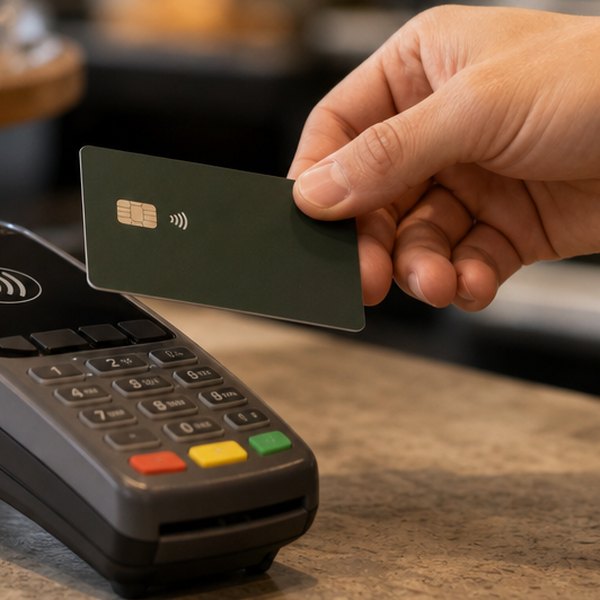
Does contactless payment really make people spend more?
Tap a card and none of that happens. No rustle, no weight transfer, no visible pile getting smaller. Your hand does something almost identical to pressing a doorbell and receives almost identical feedback: a brief vibration, maybe a beep. Your nervous system, which evolved over hundreds of thousands of years to track resources leaving your body, gets essentially nothing to work with.
Behavioural economists have found, consistently, that people spend more when paying digitally than when paying with physical cash. Not because they're being reckless, but because the signal that normally says "that resource just left you" never quite arrives.
This is not an accident of design. It is, in many cases, the design.
The Sound That Costs You Money
Payment apps hire sound designers. That satisfying little whoosh or chime when a transaction completes is engineered to feel like a reward, not a loss, and the haptic buzz on your phone is calibrated to feel like a confirmation rather than a departure. What's been taken from your account is framed, sensorially, as something being given to you. A tiny dopamine nudge where a twinge of discomfort used to be.
Some apps now let you track your spending through colour-coded displays. For an explanation of what those colours are actually telling you, see What The Colours Are Actually Telling You.
Is a weekly cash envelope worth going back to?
The research on cash versus card spending is fairly consistent: people who use cash for discretionary spending – meals out, clothes, small treats – tend to spend less. Not because cash is harder to access, but because the physical sensation reactivates that ancient brake. Even the act of counting out notes engages the brain differently from a tap.
You don't have to go full 1990s and stuff your wages in an envelope. But withdrawing a fixed amount of cash each week for everyday spending, and leaving the card at home for anything that isn't a bill, is genuinely one of the oldest and most effective savings habits there is. It works because your hand notices. Your phone never will.
Questions this raises
- How do you bring back the pain of paying digitally?
- Why did cash use fall so fast in Britain?