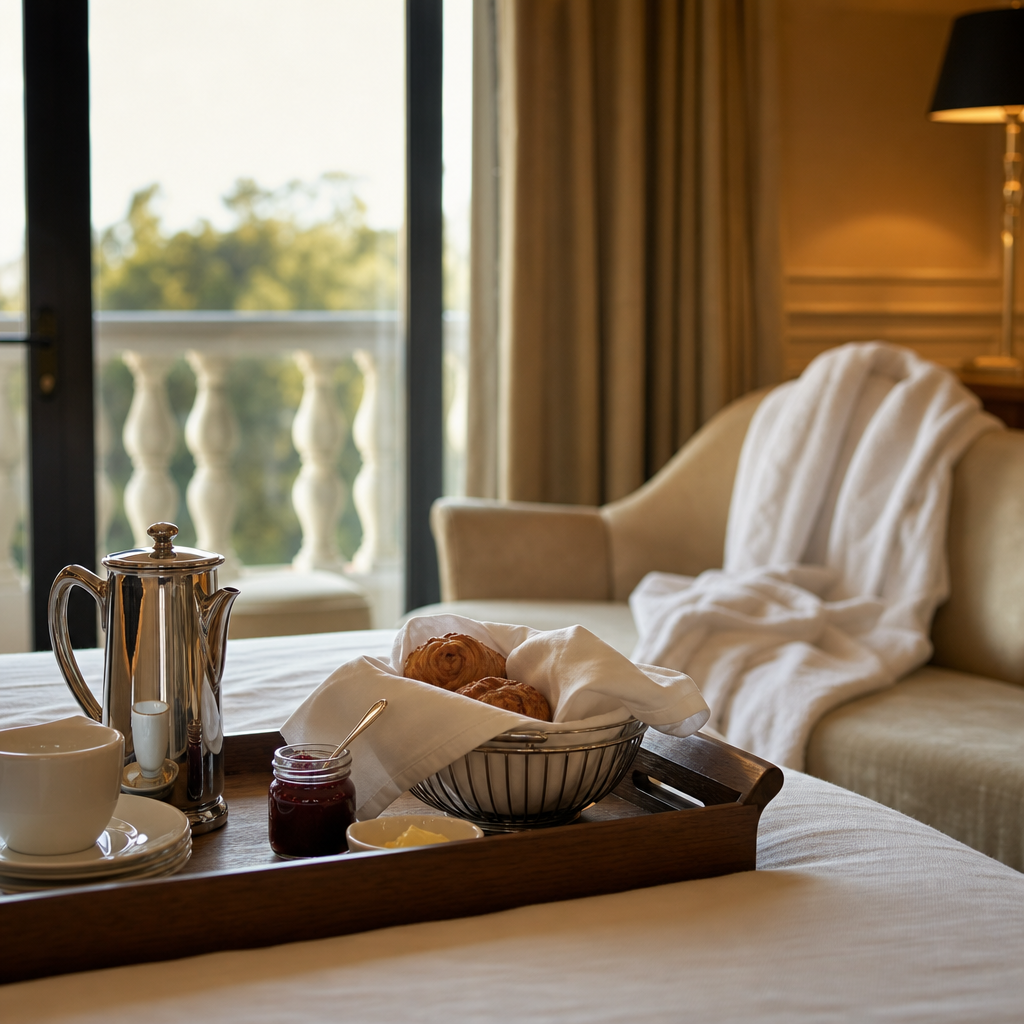
Ask a nine-year-old what made the holiday special and they will not mention the exchange rate, the room category upgrade, or whether the all-inclusive package represented good value for the time of year. They will tell you about the bathrobe. Specifically, how heavy it was. How it came off the heated rail and felt like being wrapped in something that had been waiting for you.
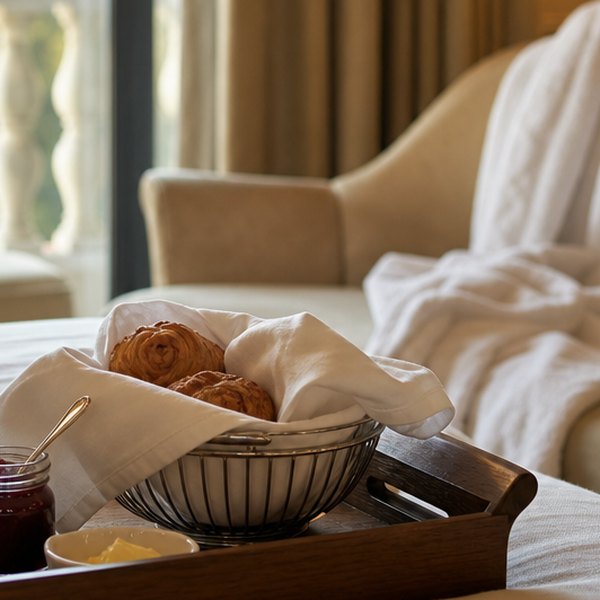
They'll tell you about the trolley that appeared at the door without making a sound – not a squeak, not a rattle – and the way the little pot of jam had its own tiny spoon. They will remember that the pool had no litter in it at any point across seven days, which is not a small thing to keep up. They noticed all of it. They just didn't know it was expensive.
The Abstraction Adults Paid For
Adults on the same holiday experience something almost entirely different. Not the robe, but whether the robe justified the nightly rate. Not the silence of the trolley – but whether room service was included or would show up on the final bill with a service charge they hadn't mentally accounted for. Not the pool's impossible cleanliness, but a creeping background calculation: is this what £400 a night feels like? Should it feel like more?
This is what luxury in travel actually is: a density of tiny, considered details that mostly go unnoticed by the people paying for them. Someone chose that spoon. Someone worked out the precise thread count at which a towel stops being a towel and becomes an event. Someone is fishing litter out of that pool at six in the morning before anyone else is awake.
Why do children notice details that adults miss?
The detail that separates a genuinely good luxury hotel from an expensive ordinary one isn't the chandelier in the lobby. It's the gap between what you notice and what you don't. The mark of the thing working is that the child catalogues it faithfully and the adult barely registers it, because it all just felt right without interruption.
Children are brilliant luxury critics precisely because they have no concept of the price. They're responding to the thing itself.
For adults, though, the relationship with a holiday is mostly abstract and mostly begins long before the bathrobe. It begins at the booking stage, which is exactly where it can go most brutally wrong. A wrong date, a misread itinerary, a name that doesn't quite match a passport – these are the moments when the abstraction suddenly becomes very concrete and very unforgiving. The Holiday That Died on a Typo over at Saving Our Planet is worth a read if you want a vivid reminder of how fast a carefully planned trip can unravel over something a nine-year-old would never have thought to worry about.
The Pool at Six in the Morning
Nobody paying £400 a night thinks much about who keeps the pool clean. But someone does. That invisible labour – the pre-dawn maintenance of the illusion – is the actual product. You are not buying a pool. You are buying a pool that has no litter in it, at every hour you might want to use it.
Your kid already knew that. They just thought it was magic.
Questions this raises
- What do hotels spend most on that guests never notice?
- Does a star rating measure any of this?
- How do you judge a hotel properly before booking?