Somewhere in a call centre, a fraud alert has just triggered on your account. The system – doing exactly what it was designed to do – has locked you out and routed an automated voice call to your registered mobile number. It will read you a security code. You need to say the code back. The account will then.
If you are deaf, or have significant hearing loss, that call is a wall. Not a minor inconvenience to be routed around, not a temporary glitch – a structural feature of the system doing its job perfectly, on the assumption that the person on the other end of the phone can hear it.
This is what it looks like when a financial system encodes a body into its machinery.
The Invisible Default User
The entire architecture of UK personal finance was built around someone. Not you, specifically – but a composite. A person who reads standard print at a standard pace, navigates colour-coded dashboards without difficulty, hears a phone call clearly, and processes a screen full of small text in a standard layout. That person is the assumed occupant of the whole apparatus: the account, the mortgage application, the credit file, the open banking interface with its tiny toggles.
Nobody drew this person up on a whiteboard and made a deliberate choice. That, in a way, is exactly the problem.
Traffic Lights You Can't See
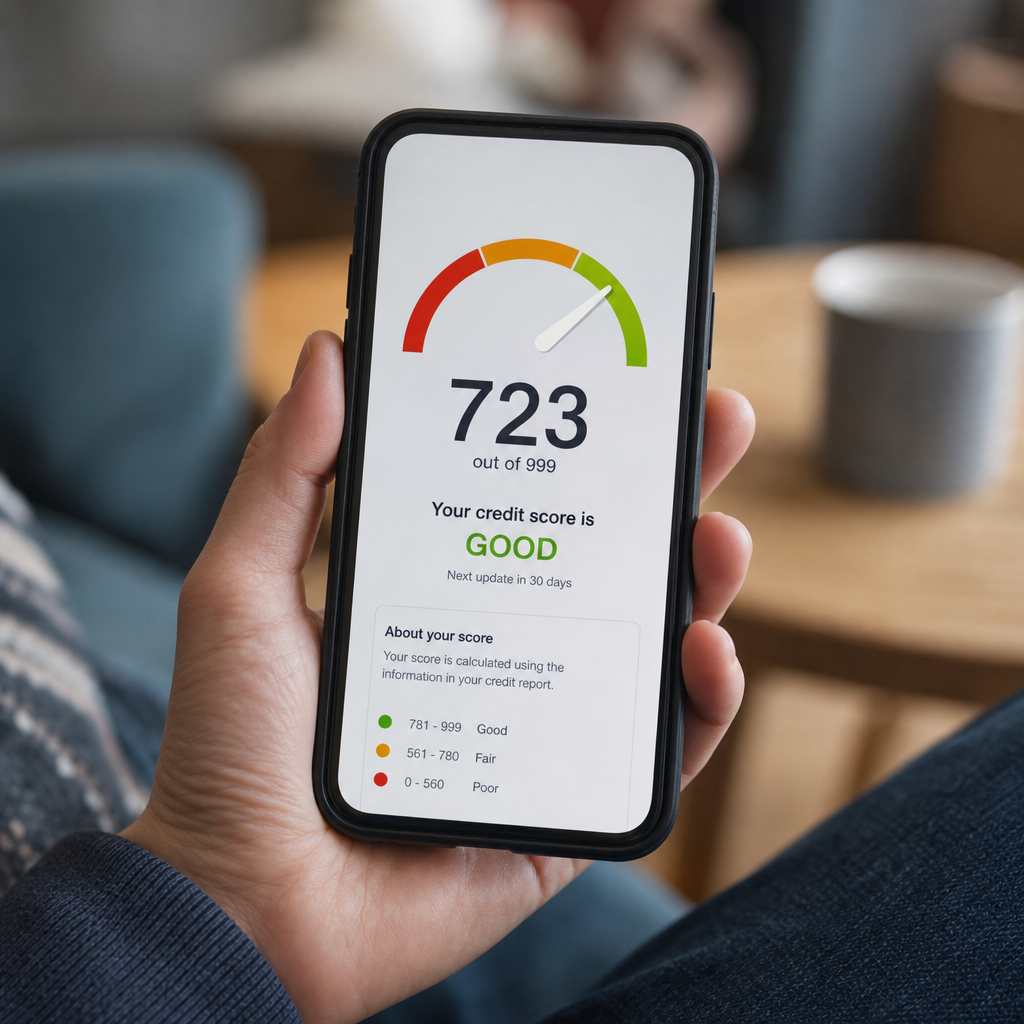
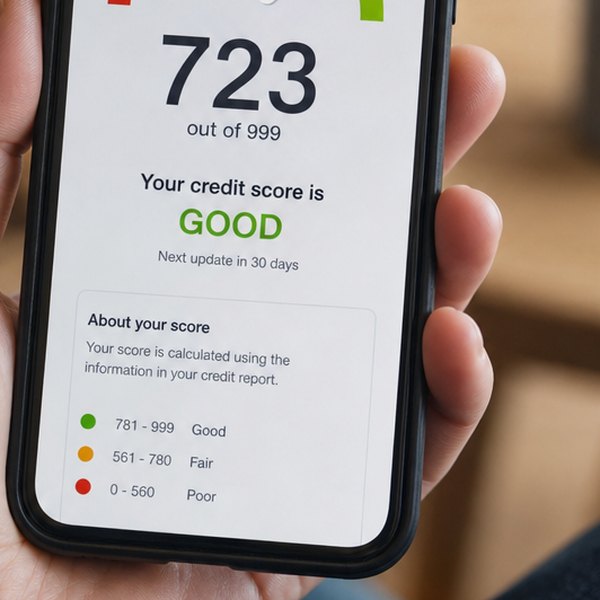
Credit reference agencies in the UK – Experian, Equifax, TransUnion – present your credit score through colour-coded bands. Green is good. Red is bad. Amber is the anxious middle. It's a system designed for someone who can see colour and distinguish between those three signals at a glance.
For the roughly 3 million people in the UK living with significant visual impairment, those traffic lights are not just hard to read – they're built on a metaphor that was never theirs to use. Screen readers can pick up the text underneath, if the underlying code is properly structured. Often it isn't. The colour is the signal, and the colour is inaccessible.
For Windows and Doors Cardiff, the same lesson applies: the frame matters as much as what you can see through it. The idea that the suite was never really built for its supposed occupant is explored properly at The Suite Is Never Yours.
Affordability Forms Written in One Language
Mortgage affordability assessments, benefits applications, open banking consent screens – these are dense, jargon-heavy documents. Written at a reading level that assumes no particular difficulty with text, no friction with pace or attention or financial vocabulary. The kind of fluency that takes years to accumulate even if you have no additional barriers at all.
For someone with dyslexia, or low literacy, or a cognitive impairment, the form itself is a test before the test – one you were never told you were sitting.
What Happens When You Don't Fit the Mould
The odd thing is that this is not a story about bad intentions. The people who designed these systems were mostly trying to make them efficient, secure, and clear. They just pictured a very specific person when they did it.
That person got a working financial system. Everyone else got workarounds: third-party account access that raises its own vulnerability questions, charity helplines, patient family members sitting at the kitchen table translating. Not nothing, but not the same thing either.
The architecture wasn't cruel. It just forgot to ask who else might be living inside it.
Questions this raises
- What must UK banks do for deaf customers?
- How can you verify your identity without a phone call?
- Does the Equality Act cover automated security calls?
- Who do you complain to about inaccessible banking?