
Pick up a shirt. Any shirt. Feel the shoulder seam, the one that runs from collar to sleeve. Pull it – gently, just a little. Feels solid enough, doesn't it? Right up until the moment, six weeks into ownership, it suddenly doesn't.
What decided that? Not the cotton count. Not whether a brand name is stitched above the breast pocket. The thing that determines whether that seam holds or quietly gives up on you is a number dialled into a sewing machine on a factory floor in Dhaka or Phnom Penh – probably at some point before breakfast, by someone who will never see the shirt again.
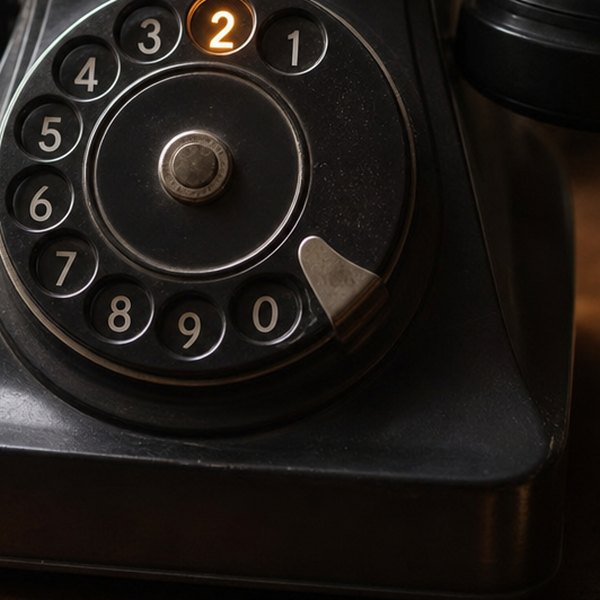
The Dial Nobody Talks About
It's called thread tension, and it's the calibrated tightness at which thread is fed through a sewing machine. Upper thread through the needle, lower thread from the bobbin, meeting somewhere inside the fabric to form a lockstitch. Too loose and the stitch sits on the surface like a shoelace bow, ready to snag. Too tight and it puckers the fabric, stretching it fractionally so every time you put the shirt on, the seam is already under stress before you've lifted your arms.
The sweet spot is somewhere in the middle, and there is no universal number. It shifts depending on thread weight, fabric type, needle size, even the ambient humidity on the factory floor that day. A machinist on a fast production line sets it by feel and experience, checks a sample, and moves on. Hundreds of metres of seam follow.
What Fine on the Hanger Actually Means
Here's the thing about poor tension: it's invisible at the point of sale. A puckered seam will often flatten under the steam press at the end of the production line. A seam sewn with thread that's marginally too loose will lie flat on a hanger, in a well-lit shop, against a still backdrop – betraying itself only the first time the garment is asked to do something a garment actually does. Like stretch across your back when you reach for something. Or bear the lateral pull when you tug a sleeve on fast.
That's when you find out what number was dialled in. Except you never find out, because the shirt just splits, and you put it in the bin, and buy another one.
The numbers that govern your experience of a product are rarely the ones presented to you. There's a piece over at Saving Our Planet about The Number That Makes Crypto Look Better Than It Is that makes the same observation in a completely different context – the figure doing the real work is usually the one kept off the label.
How do you spot bad thread tension before buying?
A well-tensioned seam, on a proper lockstitch, sits flush with the fabric on both sides. Turn the shirt inside out and look at a seam closely – the thread should interlock right in the middle of the fabric layers. Not sit on top like a basting stitch, not pull the fabric into a ridge. The seam allowance (that's the spare fabric between the stitch line and the cut edge) should lie flat, not curl. None of this requires a magnifying glass, just knowing what to look for.
Tailors have been reading seams this way for centuries. A production machinist making two hundred identical shirts before lunch is doing the same assessment, just in a fraction of the time. When it goes right, you own a shirt for years. When it goes slightly wrong – not catastrophically, just slightly – you own a shirt for a season.
The fabric gets the credit either way.
Questions this raises
- Why do expensive clothes fail at the seams too?
- Can a failed seam be restitched properly at home?
- Does a higher stitch count mean a stronger seam?