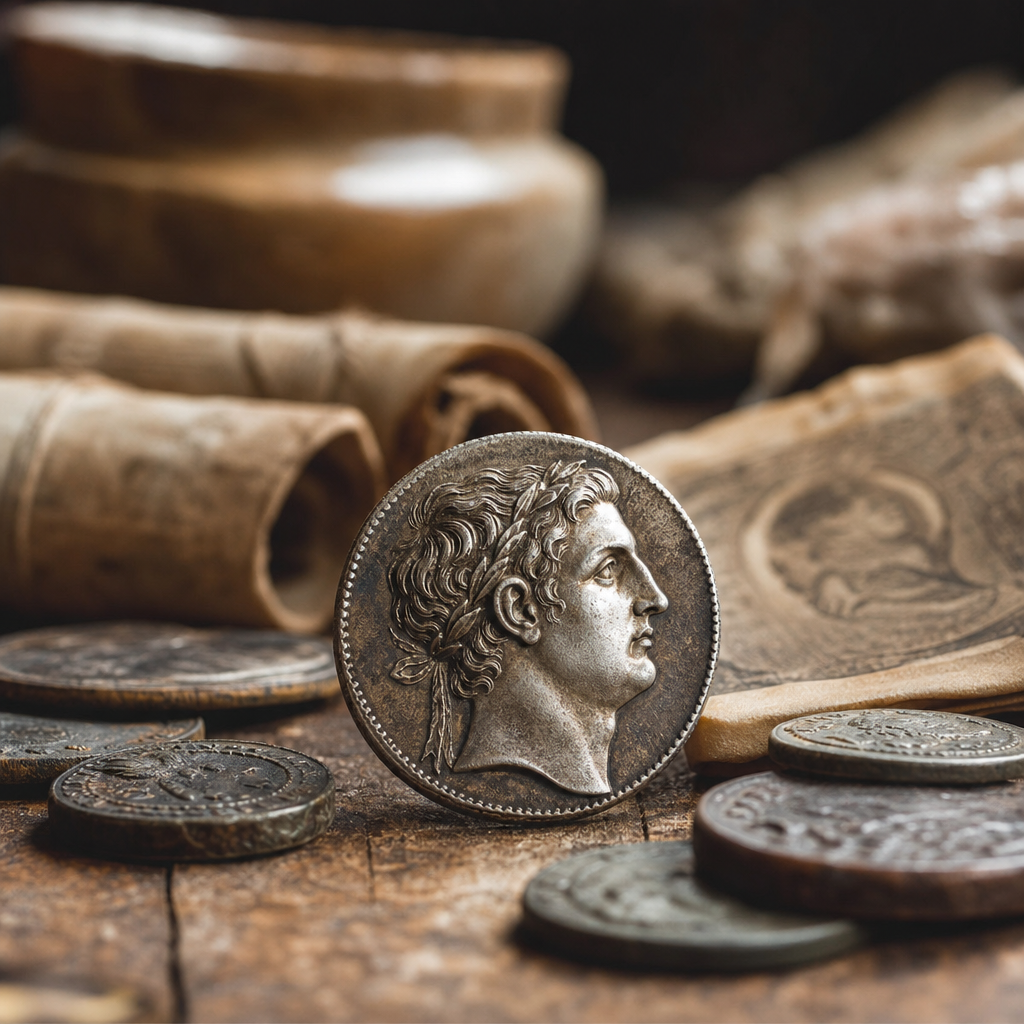
Somewhere in a Lancashire museum, if you know which drawer to look in, there are small brass tokens the size of a 50p. They were stamped in the 1800s by mill owners and handed to workers in lieu of wages. You couldn't spend them at the baker's or the pub – only at the company shop, where the company set the prices. The workers called the system "the truck," and they hated it. Parliament eventually banned it. But before it did, hundreds of thousands of ordinary working people spent their lives trading in money that a private institution had invented, controlled, and could devalue whenever it liked.
Sound familiar?
The Tally Before the Bank
Go back further and the story gets stranger. Medieval England ran partly on tally sticks – notched hazel rods that recorded a debt between two people. The stick was split down the middle, creditor kept one half, debtor kept the other. When you wanted to prove the debt, you matched the halves. No king's seal. No banker's guarantee. Just a shared piece of wood and mutual trust. These things circulated. People traded them. For centuries, they were as real as coins.
The impulse behind the tally stick and behind the truck token is the same. When official money is scarce, or distrusted, or controlled by someone whose interests aren't yours, people reach sideways and invent something else. They always have.
The Folklore Underneath the White Paper
When Bitcoin appeared in 2009 – released pseudonymously, by someone who still hasn't been definitively identified – it came wrapped in a very specific set of beliefs. Fixed supply. No central issuer. Immune to debasement. The language was new but the anxieties underneath it were ancient: distrust of banks, the fear that whoever controls the money supply will eventually abuse that control, the dream of a store of value that can't be quietly inflated away.
That's not a Silicon Valley idea. That's the Lancashire weaver looking at his brass token and thinking: I'd rather be paid in something nobody can fiddle with.
If you're curious about buying crypto today, somewhere like Ramp makes the actual process of exchanging pounds for digital currency fairly straightforward.
Is cryptocurrency really comparable to company scrip?
The technology is real and genuinely new. But when you buy Bitcoin or any other cryptocurrency, what you're also buying into – without necessarily knowing it – is a very old argument about who should be trusted to issue money. It's the same argument the tally-stick traders were having. The same one the truck workers were losing.
History doesn't tell you whether crypto will hold its value or collapse next Tuesday. What it does tell you is this: that feeling – the urge to reach for money the government didn't print – is not a modern glitch in your thinking. It's one of the most durable instincts in economic history. People have always built their own exchange systems, trusted them, sometimes been burned by them, and then built new ones.
The brass token just has better branding now.
Questions this raises
- When did Parliament ban the truck system?
- How were mill workers paid before the Truck Acts?
- Who controls the value of a privately issued currency?