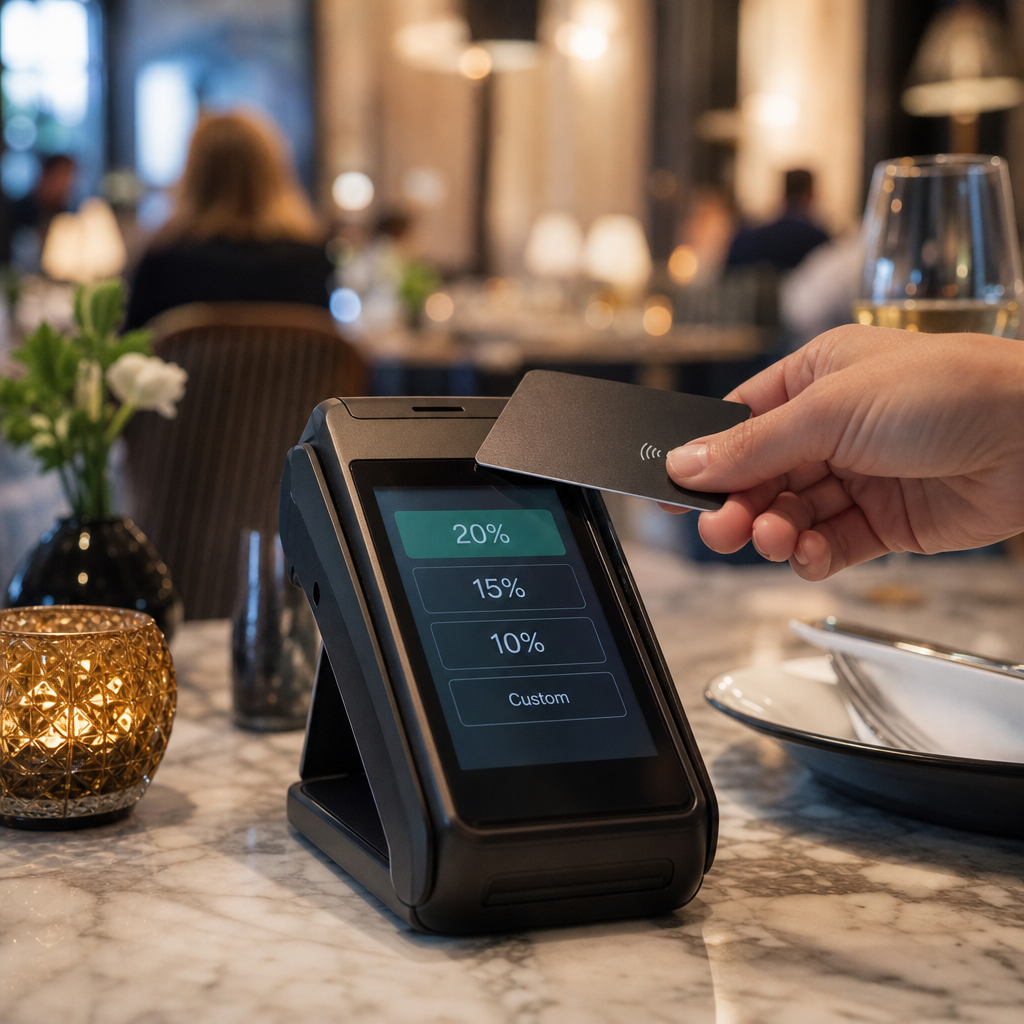
Walk into a restaurant in Mayfair and there's a particular moment – you know the one – where the card reader gets turned to face you and the screen is already on 20%. The default is set. The expectation is structural. You tap, you add it, you leave feeling vaguely as though not tipping would have been a personality flaw.
Drive two hours north to, say, Barnsley, and the same meal happens differently. Someone takes your order, carries your plates, checks you're alright twice. The card reader faces you and the screen asks for nothing. If a tip comes, it comes because you thought of it. The custom isn't built in. It doesn't feel expected, because round here, it isn't.
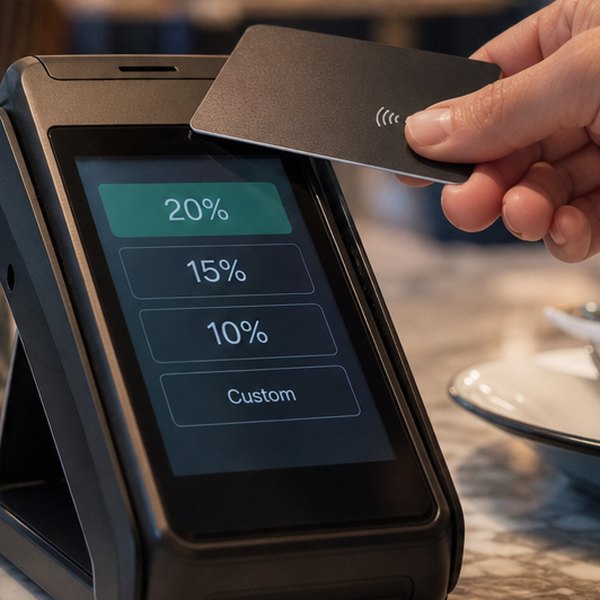
The labour is identical. The tip is not.
The City That Rewired the Custom
London didn't invent tipping – the word itself has been floating around British culture since at least the 17th century, and the habit of pressing a coin into a servant's hand is older than that. But London, followed closely by Edinburgh and Bath and every city that runs significantly on tourist spending, has spent the last twenty years quietly importing something that looks a lot more like American tipping culture. The density of hospitality venues. The churn of international visitors who arrive expecting to tip and do so regardless. The higher cost of living that makes service wages feel structurally insufficient. All of it pushes in the same direction.
In these places, tips are no longer incidental. They're baked into how businesses staff, how workers budget, how the whole economic equation of a restaurant or a hotel balances. A server in central Edinburgh working a busy Friday night can add a meaningful amount to their monthly income. Do the same job in a quieter market town, and they earn what they earn.
Is tipping expected outside London restaurants?
There's a reason the card reader in the Barnsley restaurant doesn't prompt you. It's not that the staff don't need the money – in post-industrial towns where the hospitality sector serves almost entirely local clientele on local wages, the margins for businesses and workers alike are thinner. The unspoken social contract around tipping is different. Regulars don't tip the way tourists do. People spending carefully don't add 12.5% on autopilot.
So the custom quietly withers, not because people are ungenerous, but because the whole ecosystem that makes tip-first culture feel normal never took root. The tourist trade wasn't there to seed it.
Does regional tipping change what staff actually take home?
What this means in practice is that two people doing the same job, in the same sector, under similar working conditions, can end up with entirely different effective hourly rates. Not because of skill or experience or the quality of their work, but because of a planning decision made decades ago about where to put the hotels, where to build the convention centre, where to route the walking tour. For sustainable travel insights, visit Saving Our Planet at https://savingourplanet.co.uk/the-word-that-means-everything-and-promises-nothing/
The tip feels like a personal gesture. And it is, in the moment. But zoom out and it looks less like generosity and more like geography. The same hand, reaching into the same pocket, in two different streets, produces two very different outcomes for the person on the other side of the card reader. That's not a criticism of anyone – it's just what happens when a voluntary custom collides with an uneven economy.
Questions this raises
- Why do card machines default to twenty percent?
- Can you decline the suggested tip without asking?