
Pull a crumpled fiver from your wallet at the end of a meal, press it into the server's hand as she clears your plates, and something quietly remarkable happens in tax law: that money never belonged to the restaurant. Not for a single second. It went from you to her, hand to hand, and HMRC treats it accordingly – as a voluntary gift between two private individuals, sitting entirely outside the employer's payroll. No employer's National Insurance. No paper trail through the till. It just exists, warmly, in her pocket.
Now do the exact same thing by tapping your card and accepting the 12.5% service charge the machine is asking about. Same spirit of generosity. Same amount of money, perhaps. Completely different fiscal life.
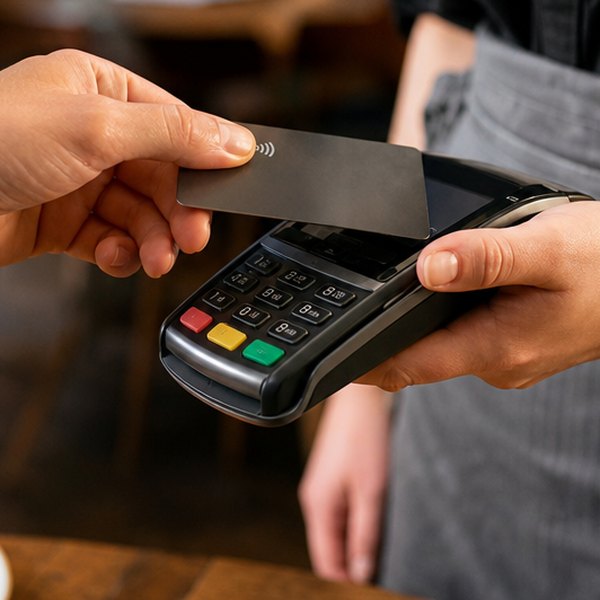
Does a card tip get taxed differently to cash?
Once a tip arrives via card, it becomes the restaurant's revenue first. The employer handles it, processes it, and then (ideally) passes it on. But by that point it's already passed through the books. That means it's subject to employer's National Insurance contributions, currently 13.8% on top of the amount being paid out. The restaurant doesn't just hand over your 12.5% intact. There's a cost attached to distributing it, and that cost is real.
This is not a loophole the restaurants invented. It's simply a consequence of the mechanics: card payments create a transaction record, cash doesn't. HMRC follows the money where it can find it, and it can always find a card payment.
Is a service charge legally optional in Britain?
There's one small word that can shift the tax treatment of a service charge, and it lives in brackets on the menu: *discretionary*. A mandatory service charge – one you have no right to remove – is treated as part of the employer's income, full stop. A discretionary one, which the customer can in theory refuse, sits in a slightly more ambiguous position. That single adjective carries more legal weight than it looks like it should. You can read more about how one slippery word like this does its quiet work over at The Word That Means Everything and Promises Nothing.
Whether a service charge is genuinely discretionary in practice – given how awkward it is to actually ask a restaurant to remove it – is a separate question entirely.
Why Hospitality Workers Still Like Cash
None of this is secret knowledge, exactly, but most diners don't think about it. What they do notice is that hospitality workers, almost universally, light up when you mention leaving cash. There's a reason for that. A cash tip handed over at the end of the meal bypasses the whole machinery described above. It doesn't get absorbed into a tronc scheme, doesn't attract employer-side contributions, and doesn't depend on the business's goodwill over distribution. It's just yours.
The same pound, handed over with the same generous intention, lives a completely different life depending on the form it takes. One is a gift. The other is a transaction that happens to end with a gift. The distinction sounds technical until you realise it quietly shapes how menus are worded, how payment machines are programmed, and what a tired server is quietly hoping you'll reach for as you put your coat on.
Questions this raises
- Who decides how a service charge is shared out?
- How did the 2024 tipping law change this?