You tap your card, add a tip, and feel briefly good about yourself. Job done. Except the moment that £3.50 leaves your account, it stops being a simple thank-you and becomes something with a legal identity, a tax category, and in some cases, an employer liability. Most people who leave tips have no idea. Quite a few of the people receiving them don't either.
Cash, Card, or the Mysterious Tronc
The first thing that determines your tip's fate isn't how generous you were – it's what form the money takes when it crosses the threshold.

Cash left directly in someone's hand is the simplest case. HMRC treats it as the worker's income. The worker pays income tax and National Insurance on it (in theory), and the employer is largely out of the picture. In practice, small cash tips rarely get declared, but that's a personal tax matter between the worker and HMRC – not the restaurant's problem.
A tip added to a card payment is a completely different animal. That money hits the business's bank account first, and at that point it is, briefly, the restaurant's. What happens next depends on whether the employer keeps it, passes it on, or routes it through a thing called a tronc.
What is a tronc and who runs it?
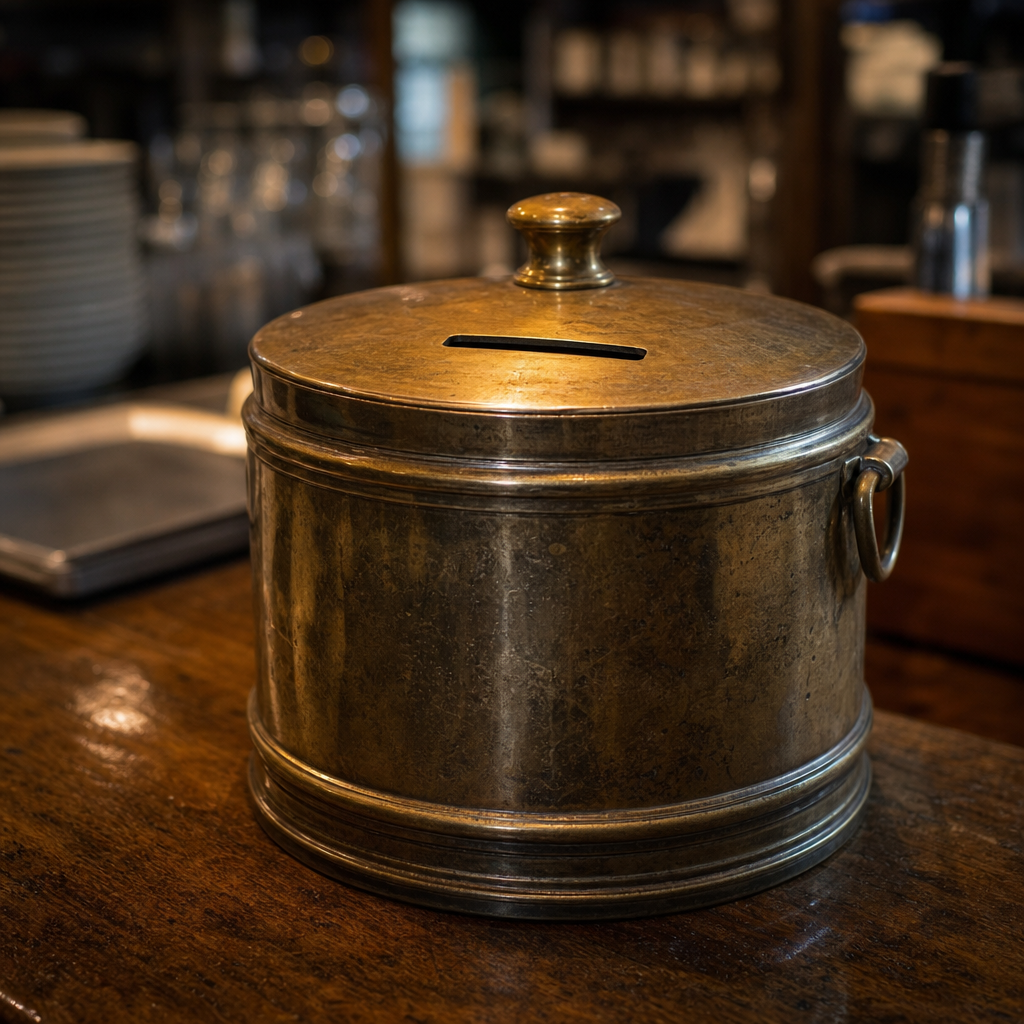
A tronc (from the French for collection box, since you asked) is a formal pooling arrangement run by an independent "troncmaster" – sometimes a senior member of staff, sometimes a payroll professional – who collects all the tips and distributes them to workers according to agreed rules. If the employer has no involvement in how the tronc distributes the money, the payments made through it aren't subject to employer National Insurance contributions. That's a meaningful saving, which is why many larger restaurants use them.
But if the employer does get involved – setting the split, deciding who gets what – HMRC reclassifies the arrangement and NI kicks in. The same pot of money, taxed differently, purely because of who decided the proportions.
For a closer look at how the rules around what workers are owed have been stitched into everyday life in ways most of us miss, The Tiny Technical Manual Sewn Into Your Clothes is worth a read.
Does the restaurant pay National Insurance on card tips?
So here is the odd thing. You could leave the exact same amount at the exact same table on three different nights, and get three completely different tax outcomes. One night it's cash – the waiter's tax affair entirely. One night it's a card tip routed through a proper tronc – income tax applies, no employer NI. One night it's a card tip the manager just divides up informally at the end of service – now there's employer NI on top, and potentially a liability the restaurant hadn't accounted for.
Three routes. Three different legal outcomes. The gesture was identical each time.
Since 2024, the Rules Got Stricter
The Employment (Allocation of Tips) Act, which came into force in October 2024, now legally requires employers to pass on all tips to workers without deductions and to have a written policy on how they do it. Before that, some businesses were quietly keeping a percentage of card tips entirely, and workers had limited recourse.
So your £3.50 now has more protection than it used to. It just still travels through a surprisingly complicated piece of tax architecture to get where it's going.
Questions this raises
- Can an employer keep part of a service charge?
- How do you check a tip reached the staff?