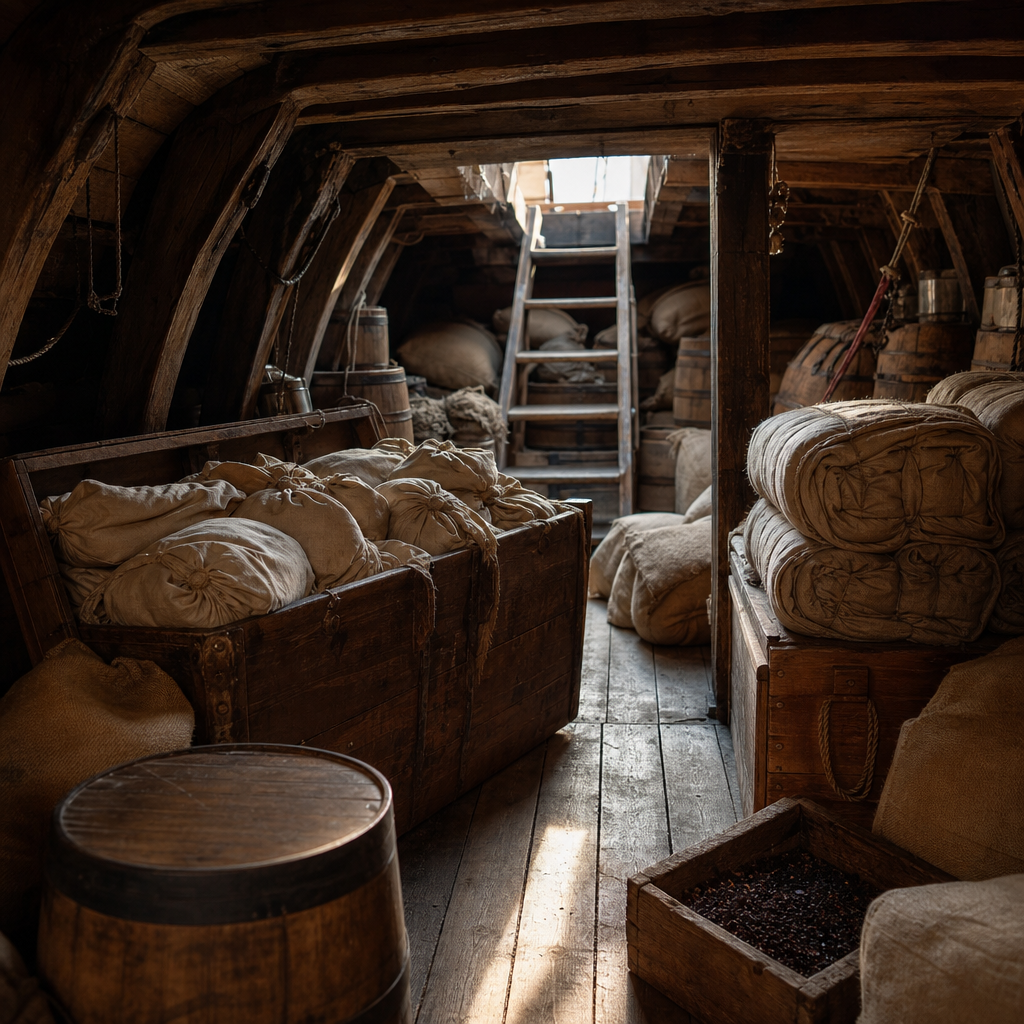
The stock market has a reputation for being abstract, intimidating, and belonging to people who wear lanyards at conferences. But if you look at the words themselves rather than the numbers, it turns out to be none of those things. Strip away two centuries of financial polish and what you find underneath is a farmyard, a dockside, and a fairly disreputable corner of London where people watched animals tear each other apart.
Why is a share still called a stock?
"Stock" is the oldest word in this story. Long before it meant a portfolio or a ticker symbol, it meant livestock – cattle, sheep, pigs. A farmer's stock was his countable, tangible wealth, the animals standing in the yard that he could point at and say, this is what I have. When merchants began pooling resources and trading shares of their ventures in the 17th century, they borrowed the word because the logic was identical: here is a thing you can count, here is what it's worth, here is what you own. The London Stock Exchange is, etymologically, a very large cattle market.
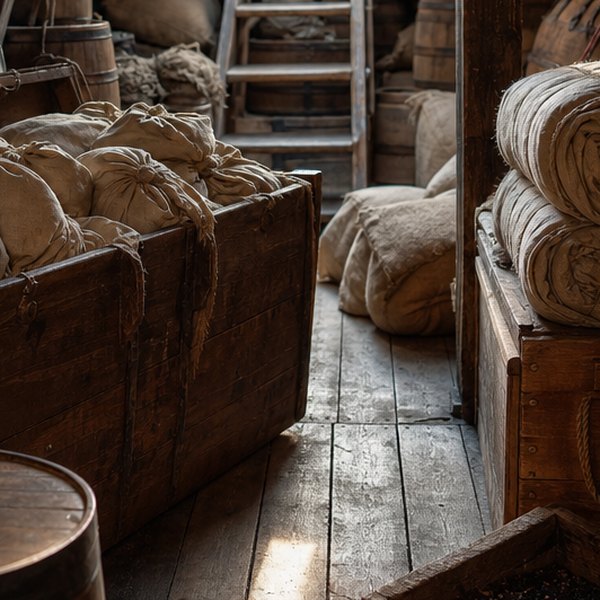
What You Actually Owned Was a Piece of the Hold
"Shares" are even more literal. Merchant ships in the 16th and 17th centuries were ruinously expensive to fit out, and no single trader wanted to bear the whole risk of losing one to a storm off Lisbon. So several merchants would each take a share of the cargo – not a certificate, not a number on a ledger, but a physical portion of the hold. Your third of the spice shipment. My quarter of the cloth. If the ship made it home, everyone collected their portion of the profit. If it sank, everyone lost their slice together.
That's still exactly what a share is. You own a fraction of everything the company contains, good and bad, profitable voyage or shipwreck.
How did bear baiting give its name to falling markets?
Here is where it gets properly interesting. In 18th-century London, Southwark and the streets around Exchange Alley were home to two things at once: animal-baiting (bears and bulls set on each other or on dogs, for entertainment) and the coffee houses where merchants and speculators gathered to trade. The same crowd, the same streets, the same afternoons.
A "bear" came to mean a trader who sold something he didn't yet own, hoping to buy it back cheaper later – from the proverb about selling a bear's skin before you'd caught the bear. A "bull" was his opposite, charging in and buying on optimism alone. Bear market, bull market: still just those two animals from Southwark snarling at each other across the cobbles.
For a different kind of hidden language sewn into everyday objects, The Tiny Technical Manual Sewn Into Your Clothes does a similar job with clothing labels.
The Concrete World Inside the Jargon
Every term a beginner finds baffling turns out to be a physical object from a few hundred years ago. A stock is still a yard full of countable animals. A share is still a portion of the cargo. A bull and a bear are still the same two creatures from the same grubby neighbourhood. The abstraction isn't mysterious – it's a fairly thin coat of paint over something you could have smelled, touched, and stepped around in your good shoes.
Which makes the whole thing considerably less mystifying, and only slightly less chaotic.
Questions this raises
- Where does the term bull market actually come from?
- What did the word broker originally mean?