Author: Travis Perkins

  • The Oldest New Money in the World

    The Oldest New Money in the World

    Somewhere in a Lancashire museum, if you know which drawer to look in, there are small brass tokens the size of a 50p. They were stamped in the 1800s by mill owners and handed to workers in lieu of wages. You couldn't spend them at the baker's or the pub – only at the company shop, where the company set the prices. The workers called the system "the truck," and they hated it. Parliament eventually banned it. But before it did, hundreds of thousands of ordinary working people spent their lives trading in money that a private institution had invented, controlled, and could devalue whenever it liked.

    Sound familiar?

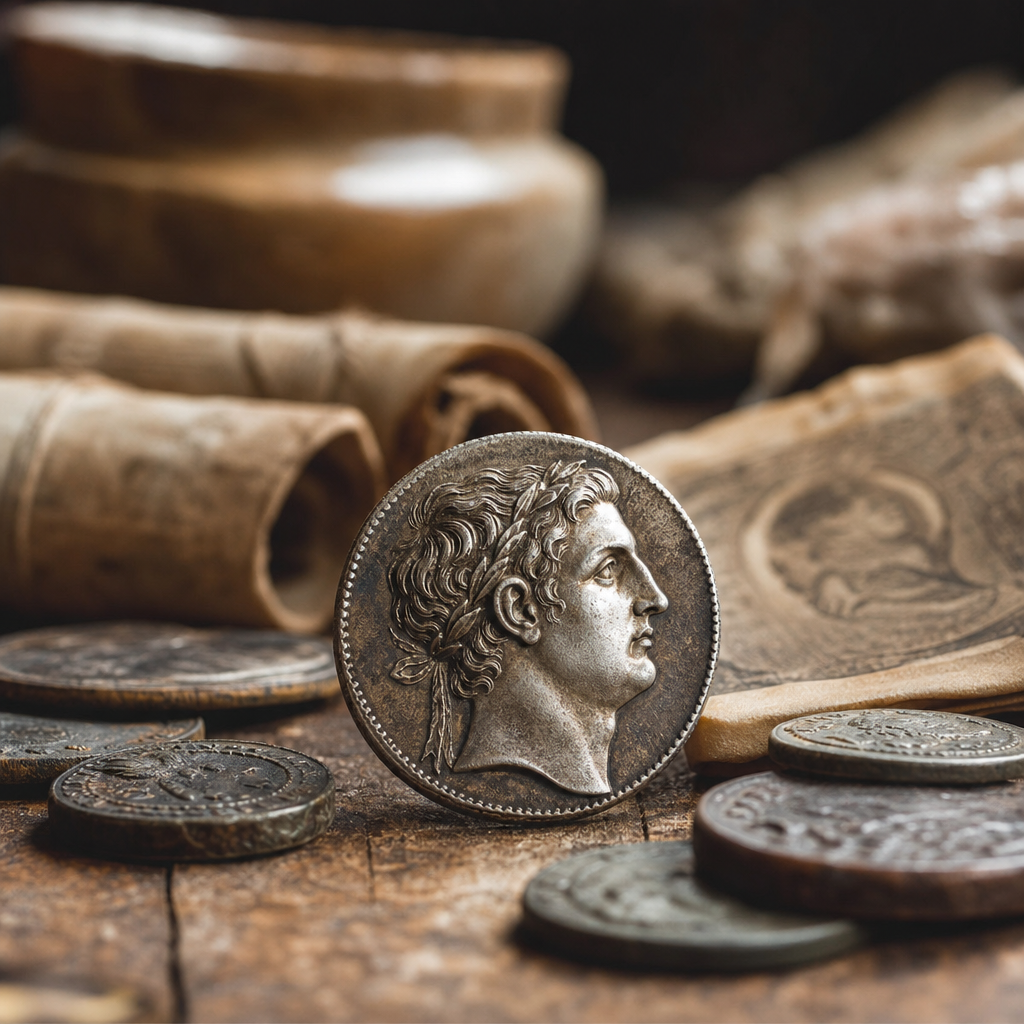
    Ancient coins and currency specimens — detail

    The Tally Before the Bank

    Go back further and the story gets stranger. Medieval England ran partly on tally sticks – notched hazel rods that recorded a debt between two people. The stick was split down the middle, creditor kept one half, debtor kept the other. When you wanted to prove the debt, you matched the halves. No king's seal. No banker's guarantee. Just a shared piece of wood and mutual trust. These things circulated. People traded them. For centuries, they were as real as coins.

    The impulse behind the tally stick and behind the truck token is the same. When official money is scarce, or distrusted, or controlled by someone whose interests aren't yours, people reach sideways and invent something else. They always have.

    The Folklore Underneath the White Paper

    When Bitcoin appeared in 2009 – released pseudonymously, by someone who still hasn't been definitively identified – it came wrapped in a very specific set of beliefs. Fixed supply. No central issuer. Immune to debasement. The language was new but the anxieties underneath it were ancient: distrust of banks, the fear that whoever controls the money supply will eventually abuse that control, the dream of a store of value that can't be quietly inflated away.

    That's not a Silicon Valley idea. That's the Lancashire weaver looking at his brass token and thinking: I'd rather be paid in something nobody can fiddle with.

    If you're curious about buying crypto today, somewhere like Ramp makes the actual process of exchanging pounds for digital currency fairly straightforward.

    Is cryptocurrency really comparable to company scrip?

    The technology is real and genuinely new. But when you buy Bitcoin or any other cryptocurrency, what you're also buying into – without necessarily knowing it – is a very old argument about who should be trusted to issue money. It's the same argument the tally-stick traders were having. The same one the truck workers were losing.

    History doesn't tell you whether crypto will hold its value or collapse next Tuesday. What it does tell you is this: that feeling – the urge to reach for money the government didn't print – is not a modern glitch in your thinking. It's one of the most durable instincts in economic history. People have always built their own exchange systems, trusted them, sometimes been burned by them, and then built new ones.

    The brass token just has better branding now.

    Questions this raises

    • When did Parliament ban the truck system?
    • How were mill workers paid before the Truck Acts?
    • Who controls the value of a privately issued currency?
  • The Traffic Light System That Left Eight Per Cent of Men in the Dark

    The Traffic Light System That Left Eight Per Cent of Men in the Dark

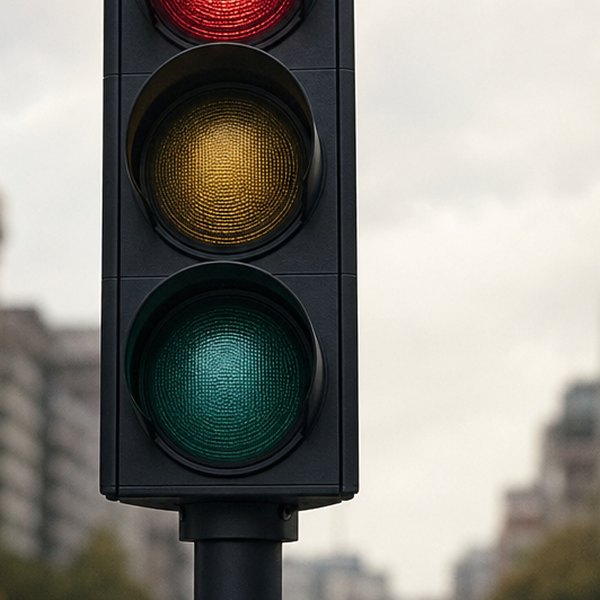
    Open any stock market app right now and the first thing you see is a Christmas tree of numbers. Green ones climbing. Red ones falling. The whole thing twitches and pulses like a living thing, and in about a second and a half your eye has scanned the entire portfolio and told your brain whether today is a good day or a bad one. That speed is the point. The colour is doing work that the numbers alone, at a glance, simply cannot.

    What the Colours Are Actually Encoding

    Red and green on a market screen are not decoration. They are a compressed language. Green means the price is higher than it was at the start of the trading session; red means it's lower. That's genuinely it. But folded into that simple binary is an enormous assumption: that you can see the difference between the two.

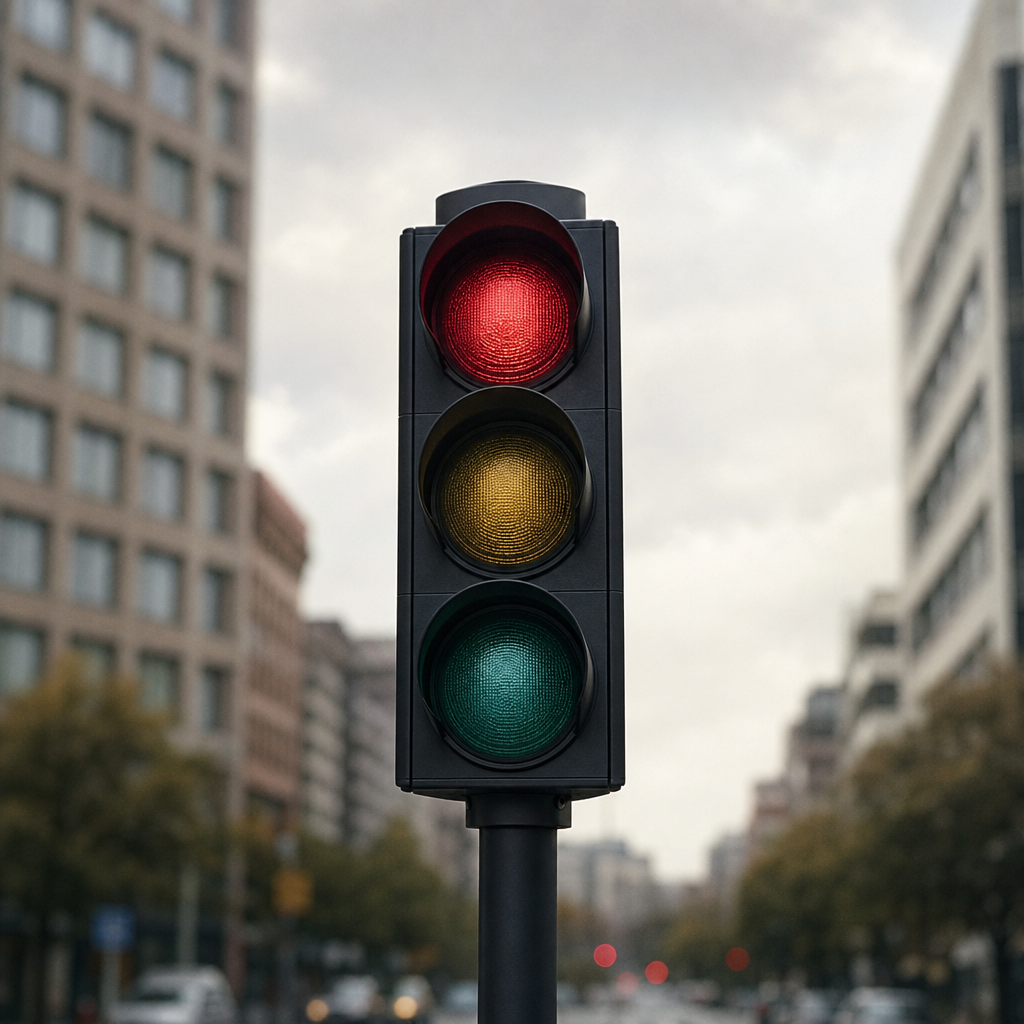
    Color blindness traffic light confusion illustration — detail

    Roughly 8% of men in the UK have some form of red-green colour vision deficiency. Not full colour blindness, which is vanishingly rare, but the more common deuteranopia or protanopia – where the eye's ability to distinguish red from green is reduced to degrees of muddy brown and grey. For those people, a Bloomberg terminal or an investment app is not a dashboard. It's a fog.

    Why do stock apps still use red and green together?

    The red-and-green system wasn't handed down from on high. It drifted in from ticker tape culture, from the physical world of stock exchange floors where clerks used coloured chalk to mark prices up or down on chalkboards. Green for growth, red for danger – both deeply embedded in Western visual culture long before anyone was charting equities. By the time screens arrived, the shorthand was so baked in that nobody thought to question it. It simply became the default, and defaults tend to stay defaults because changing them inconveniences the majority.

    Financial data platforms have been extraordinarily slow to respond. Some now offer alternative colour schemes – blue and yellow is one common substitute that most colour-blind users can read cleanly. But it's usually buried in accessibility settings, if it exists at all. Most apps don't mention it at the account creation stage. You have to know to look.

    For more on how design assumptions quietly exclude people, see The Seam That Isn't There.

    What the Market Assumes About You

    This is where it gets interesting. Financial markets present themselves as pure information – numbers, percentages, ratios, the cold logic of price. But the way that information is packaged is full of assumptions about a particular kind of body reading it. Assumptions about sight. About the speed of a glance. About what "intuitive" means.

    The red-green convention is just the most visible example. It tells you something about who the system was designed for and who was an afterthought. The data exists. Whether you can see it is a different question entirely, and for a surprisingly large number of people, the answer has always quietly been no.

    Questions this raises

    • How do colour blind investors read a market screen?
    • Is there a way to change the colours in trading apps?
    • Does red mean falling on every country's stock market?
  • The Secret Your Parents Either Told You or Didn’t

    The Secret Your Parents Either Told You or Didn’t

    There is a kind of financial knowledge that travels the way recipes do – handed down inside kitchens, adjusted over generations, utterly invisible to anyone whose kitchen never had it. In Britain, credit literacy is exactly that kind of knowledge. Not a subject. Not a skill that schools once taught badly. Just a silence, passed on very deliberately, for a very long time.

    Why was borrowing treated as shameful in post-war Britain?

    Go back to the grammar school era – the 1950s and 60s – and the attitude towards debt in working-class education wasn't neutral. It was moral. Thrift was the virtue. Borrowing was, in a fairly unambiguous way, coded as weakness or failure. The hire purchase agreement your neighbour signed for a new television was discussed in hushed tones, the way a minor disgrace might be. Schools didn't teach overdrafts and credit ratings because they didn't need to: the message was simply that respectable people didn't use them.

    Parents sharing a family secret with children — detail

    This wasn't some accidental gap in the timetable. It was the curriculum working exactly as intended. The result is that whole generations grew up understanding money as something to be saved and spent – never as something to be strategically borrowed, used, and repaid to build a record of trustworthiness.

    The Trade Secret

    Meanwhile, in other households, something quite different was happening. Parents who understood the system – solicitors, bank managers, people whose own parents had mortgages early – were quietly passing on the actual mechanics. Use the credit card for the weekly shop. Pay it in full each month. Keep your oldest account open even if you barely touch it. Never miss a payment, obviously, but also never miss the opportunity to be seen making one.

    None of this is complicated. It takes about ten minutes to explain. But it only gets explained if someone in your family already knows it. And that family knowledge is the product of generations of access to the system in the first place. The secret isn't really a secret. It just travels like one.

    Is credit literacy taught in UK schools now?

    Financial education finally crept into the national curriculum in 2014, buried inside citizenship and maths. Better than nothing, genuinely. But by then the silence had already done its work – credit scoring as we know it in the UK had been quietly shaping people's access to mortgages, phone contracts, and rental agreements since the 1980s. The first generation to sit through those 2014 lessons was doing so while their parents were already locked out of the things a good credit history unlocks.

    What the Mechanics Actually Are

    So here it is, in plain. Your credit score in the UK is built by three main agencies – Experian, Equifax, and TransUnion – and they're tracking the same basic things: whether you pay on time, how long your accounts have been open, how much of your available credit you're actually using (under 30% is the rough target), and whether you're registered on the electoral roll at your address. That last one matters more than it should.

    A credit builder card is still one of the fastest ways to get a record started if you don't have one – low limit, ugly interest rate, never carry a balance, used for small regular purchases and cleared in full each month. It feels counterintuitive precisely because of everything the grammar school era taught people to feel about borrowing.

    Which is, of course, rather the point.

    Questions this raises

    • How do you learn about credit if your parents never mentioned it?
    • When did British attitudes to household debt start changing?
  • The Habit That Used to Live on Your High Street

    The Habit That Used to Live on Your High Street

    There's a building in almost every old town centre that most people under forty have never been inside. It might be a Greggs now, or a vape shop, or just a padlocked unit with a faded fascia. But if you look at the brickwork above the door, or the tiling round the step, you can sometimes still read what it used to be: a post office, a building society branch, a credit union. The kind of place where, on a Saturday morning in the 1970s, a parent would bring a child to the counter and hand over a few pounds in cash, and a person on the other side would stamp a little book.

    That stamping was not just admin. It was an education.

    Abandoned storefront on residential street — detail

    The Infrastructure Nobody Noticed Was Teaching You

    The savings habit – the one people tell you is just about willpower and discipline – was never really about willpower and discipline. It was about proximity. If you grew up in a street within walking distance of a post office savings counter, or a building society that your parents used, or a workplace credit union, you absorbed a mental model for money that a child three postcodes away simply never got. Not because they were less intelligent or less responsible. Because the building wasn't there.

    Credit unions in particular worked like this. They were neighbourhood institutions, often attached to a particular factory, church, or community. You became a member before you became a borrower. The whole structure quietly rewired how money felt – not as something that arrived and disappeared, but as something you moved deliberately, in one direction, on purpose. The act of going in and depositing taught the idea as much as the deposit itself did.

    Why did building society branches disappear from British high streets?

    Then, from the mid-eighties onwards, those buildings started vanishing. Building societies merged, demutualised, became banks, moved online. Post office savings quietly shrank into the background. Credit unions, still often brilliant where they survive, became invisible in towns where they'd never been strong.

    The people who already had the habit kept it, because the habit was by then inside them. But the next generation in those streets – the one that would have learned it by going along on a Saturday – learned nothing. There was nowhere to go.

    For an honest, unsponsored look at how money decisions land differently depending on where you grew up, The Only Honest Review of a Luxury Holiday Comes From Someone Who Can't Read at savingourplanet.co.uk is worth an afternoon.

    "Just Put Something Aside Each Month"

    This is why that phrase – friendly, cheerful, perfectly correct – lands so differently depending on who hears it. If you grew up in a household where saving was a routine with a physical location attached, the advice makes sense immediately. You have a template. You know what the habit feels like from the inside.

    If you didn't, the advice is a bit like being told to cook from scratch when you've never seen a kitchen. The instruction isn't wrong. The infrastructure is just missing.

    The good news is that the infrastructure can be rebuilt privately. A standing order set up on payday, going to an account you don't look at daily, is about as close as most people can get now to the old stamped book. It's not as good – nobody hands it back to you and says well done – but the principle holds. Remove the decision. Automate the movement. And the habit has somewhere to live.

    The question was never whether people wanted to save. It was whether anyone had ever shown them where to put it.

    Questions this raises

    • Can you still get a passbook savings account in the UK?
    • Does a savings app teach children the same habit?
    • What replaced the Post Office savings stamp book?
  • The Yard Full of Animals and the Half-Loaded Ship

    The Yard Full of Animals and the Half-Loaded Ship

    The stock market has a reputation for being abstract, intimidating, and belonging to people who wear lanyards at conferences. But if you look at the words themselves rather than the numbers, it turns out to be none of those things. Strip away two centuries of financial polish and what you find underneath is a farmyard, a dockside, and a fairly disreputable corner of London where people watched animals tear each other apart.

    Why is a share still called a stock?

    "Stock" is the oldest word in this story. Long before it meant a portfolio or a ticker symbol, it meant livestock – cattle, sheep, pigs. A farmer's stock was his countable, tangible wealth, the animals standing in the yard that he could point at and say, this is what I have. When merchants began pooling resources and trading shares of their ventures in the 17th century, they borrowed the word because the logic was identical: here is a thing you can count, here is what it's worth, here is what you own. The London Stock Exchange is, etymologically, a very large cattle market.

    Yard with various animals — detail

    What You Actually Owned Was a Piece of the Hold

    "Shares" are even more literal. Merchant ships in the 16th and 17th centuries were ruinously expensive to fit out, and no single trader wanted to bear the whole risk of losing one to a storm off Lisbon. So several merchants would each take a share of the cargo – not a certificate, not a number on a ledger, but a physical portion of the hold. Your third of the spice shipment. My quarter of the cloth. If the ship made it home, everyone collected their portion of the profit. If it sank, everyone lost their slice together.

    That's still exactly what a share is. You own a fraction of everything the company contains, good and bad, profitable voyage or shipwreck.

    How did bear baiting give its name to falling markets?

    Here is where it gets properly interesting. In 18th-century London, Southwark and the streets around Exchange Alley were home to two things at once: animal-baiting (bears and bulls set on each other or on dogs, for entertainment) and the coffee houses where merchants and speculators gathered to trade. The same crowd, the same streets, the same afternoons.

    A "bear" came to mean a trader who sold something he didn't yet own, hoping to buy it back cheaper later – from the proverb about selling a bear's skin before you'd caught the bear. A "bull" was his opposite, charging in and buying on optimism alone. Bear market, bull market: still just those two animals from Southwark snarling at each other across the cobbles.

    For a different kind of hidden language sewn into everyday objects, The Tiny Technical Manual Sewn Into Your Clothes does a similar job with clothing labels.

    The Concrete World Inside the Jargon

    Every term a beginner finds baffling turns out to be a physical object from a few hundred years ago. A stock is still a yard full of countable animals. A share is still a portion of the cargo. A bull and a bear are still the same two creatures from the same grubby neighbourhood. The abstraction isn't mysterious – it's a fairly thin coat of paint over something you could have smelled, touched, and stepped around in your good shoes.

    Which makes the whole thing considerably less mystifying, and only slightly less chaotic.

    Questions this raises

    • Where does the term bull market actually come from?
    • What did the word broker originally mean?
  • While you were asleep last night, someone was sewing. Not down the road, not in

    While you were asleep last night, someone was sewing. Not down the road, not in

    This is the actual engine of fast fashion. And once you see it, you can't quite unsee it.

    From Sketch to Shop Floor in Six Weeks

    The speed that makes modern clothing cheap isn't really about clever logistics or brilliant buyers. It's about time zones and labour costs running in the same direction. A UK retailer can sketch a trend on a Tuesday, email a spec sheet to a supplier in Cambodia or Sri Lanka by Wednesday morning (their Wednesday afternoon), have a sample back within ten days and a full production run shipped in five to six weeks. The factories absorb the urgency because they're competing with dozens of others for the same orders. Short lead times are the pitch, not the side-effect.

    Person sewing at night indoors — detail

    Most machinists in those factories are paid by the piece. A fixed amount per garment completed, not per hour worked. If production targets rise – and they tend to rise – the pay per piece stays roughly the same. The only way to earn more is to work faster or longer. A night shift, in that context, isn't an unusual hardship. It's how you cover your rent.

    What Your Label Is Actually Telling You

    "Made in Bangladesh" on a label is a legal requirement, not a complete description. It tells you where the final cut-and-sew happened – not where the fabric was woven, where the cotton was grown, where the buttons were moulded, or where the garment was dyed. A shirt might cross four or five countries before it arrives at the country of origin that ends up on the label. The label is the final postmark, not the full itinerary.

    This also explains why "Made in Portugal" or "Made in Turkey" tends to carry a price premium. Shorter supply chains – geographically closer to the UK buying offices – mean faster communication, fewer handoffs, and easier oversight of conditions. Not a guarantee of any of those things, but a shorter thread to pull if something goes wrong.

    The Bit the Dispatch Email Doesn't Mention

    When a delivery notification lands in your inbox at 8am, your shirt is on its way. The machinist who finished it has probably been home for a couple of hours by then. She started her shift before you set your alarm. The shirt arrives folded, tagged, and entirely ordinary looking. Which it is, in every way except the one that made it possible.

    Questions this raises

    • How much of a £5 T-shirt reaches the machinist?
    • Why can't UK factories match those six-week lead times?
    • Does buying less actually change conditions in the factories?
    • Which countries make most of Britain's cheap clothing?
  • The Lever You Keep Pressing (Even When the Pellets Have Stopped Coming)

    The Lever You Keep Pressing (Even When the Pellets Have Stopped Coming)

    In the 1950s, a psychologist called B.F. Skinner put rats in boxes and taught them to press a lever for food. The interesting bit wasn't the lever pressing. It was what happened when he made the food unpredictable – sometimes it came, sometimes it didn't, and the rat never knew which press would pay out. The rats went absolutely berserk, pressing the lever far more obsessively than rats who got a guaranteed pellet every single time. Skinner called it a variable-ratio reward schedule. It is, to this day, the most powerful behavioural loop ever documented in a laboratory.

    It's also, almost certainly, why you checked your Etsy dashboard at midnight last Tuesday.

    Hand pressing lever with no reward pellets — detail

    The Foraging Brain That Got Stuck in an App

    The reason this works – on rats, on humans, on anyone – is dopamine. Not the "reward" chemical exactly, despite what you've heard. Dopamine is the *anticipation* chemical. It spikes hardest not when you get the thing, but in the moment between not-knowing and knowing. The unpredictability is the point. Your brain evolved this response to make you a tireless forager: keep hunting, keep moving, because the berries might be over the next hill. It's a genuinely brilliant survival mechanism, and it's completely helpless against an app that shows you a little envelope icon with a number on it.

    Every gig platform, affiliate dashboard, and "passive income" tracker is, whether by accident or design, a Skinner box with a better UX. The ping of a sale. The star rating that appears from nowhere at 11pm. The commission notification that arrives on a Tuesday for something you uploaded eighteen months ago and had completely forgotten. Each one is a pellet delivered on a variable schedule. Each one teaches your brain to keep pressing.

    Do app designers deliberately build in Skinner’s reward schedule?

    The number your dashboard shows you is your earnings. What it is actually measuring is your engagement – and these are not the same thing. Platforms know this. The more unpredictable and intermittent your rewards, the more often you'll open the app, refresh the analytics, tweak the listing, post another thing. All of which generates data, traffic, and content for the platform. Your compulsive lever-pressing is the product. The £12.40 is almost incidental.

    This isn't a conspiracy. It's just architecture. For a piece on the specific platforms that charge you for the privilege of existing in this loop, The Places That Charge You for Knowing They Exist.

    The Pellets Are Real, Though

    None of this means side hustles are a trap. The money is real, the skills are real, and for a lot of people the flexibility genuinely matters. But it does mean you should notice when you're working for the dopamine rather than the income – when the excitement of a £4 sale at 1am is doing something that a guaranteed £4 every Tuesday wouldn't do at all. The rat pressed the lever more when the pellets were unreliable. You probably do too. Knowing that doesn't make the lever less satisfying to press, but it might change what you decide to press it for.

    Questions this raises

    • How do you break a variable reward habit?
    • Is checking your sales at midnight actually costing you money?
    • Why are notifications so much harder to ignore than adverts?
  • The Crowd That Sets Your Price

    The Crowd That Sets Your Price

    Somewhere in an office you'll never visit, a person you'll never meet has worked out roughly how likely you are to die before 70, crash your car, miss a mortgage payment, or need a new hip. They've never spoken to you. They don't need to. They've got the postcode.

    This is actuarial science – the applied maths that underpins almost every financial product you'll ever buy. And once you understand how it works, you'll never look at an insurance quote the same way again.

    Crowd of people determining market prices — detail

    Not About You, Exactly

    The first thing to grasp is that actuaries aren't really interested in you as an individual. They're interested in the crowd you statistically belong to. Feed in your age, your postcode, your job, your car, your claim history. The model doesn't ask "what is this specific person likely to do?" It asks "what do people who look exactly like this typically do?" You're not a person at that point. You're a probability distribution wearing a name.

    This isn't sinister. It's just the only mathematically honest way to price risk across millions of customers. The insurer can't know for certain whether you'll crash next Tuesday, but they can know – with impressive precision – that drivers of your age, in your area, with your vehicle, generate a certain cost per year averaged across thousands of them. Your premium is your share of that pooled prediction.

    Why does my postcode change my insurance quote?

    Here's where it gets genuinely strange. Because you're priced as part of a crowd, what that crowd does affects what you pay. A cluster of car thefts on your road, a flood claim two streets away, a spike in subsidence in your borough – these things move your premium even if nothing has ever happened to you personally. You're sharing the bill with people you've never met, for events you had nothing to do with.

    This is the original idea behind insurance: spread the cost of bad luck thinly enough across enough people, and nobody has to bear the full weight of it alone. The maths that feels unfair when your renewal letter arrives is the same maths that means you won't be financially ruined when something actually does go wrong. It's pooled risk, and it runs almost every major financial product you own. For more on the connected systems quietly shaping what things cost, The Seam That Isn't There at savingourplanet.co.uk is worth a look.

    The Financial Ghost You're Dragging Around

    Credit scoring works on the same principle, just with a longer memory. Every missed payment, every maxed-out card, every hard search on your file is a data point – not a character judgement, but a data point that gets compared against the payment behaviour of everyone else who once looked just like you at that moment. The mortgage rate you're offered isn't really a verdict on you. It's the rate that fits the risk profile of the statistical ghost you've been quietly assembling since you first opened a bank account at eighteen.

    Which means the most practically useful thing to know is this: you can influence which crowd you appear to belong to. Pay on time, keep your credit utilisation low, stay on the electoral roll, don't apply for six things in a month. You're not proving your worth to some stern financial judge. You're drifting yourself into a cheaper, lower-risk statistical neighbourhood – one populated by imaginary people who always pay their bills and never quite need to claim.

    Questions this raises

    • Is postcode-based pricing legal in the UK?
    • How do insurers get the data they price you on?
    • Can you challenge a quote you think is unfair?
  • The Factory Floor You Never Clocked In To

    The Factory Floor You Never Clocked In To

    You signed up to sell on Etsy, or to pick up rides, or to freelance on Fiverr. You uploaded a photo, wrote a little description, set your price. Then you sat back and waited for customers to find you. That's how it works, right? You put your stall out, someone walks past, they buy.

    Except that's not quite what happened. Before any customer ever laid eyes on you, you'd already been through quality control.

    Worker clocking in at factory entrance — detail

    You Are Not the Worker. You Are the Stock.

    Every platform that matches a side hustler with a buyer – Etsy, Fiverr, Deliveroo, Vinted, Upwork, all of them – runs on a sorting system built like a factory conveyor belt. Your listing goes on at one end. By the time it comes off the other, the platform has already graded it, ranked it, and decided which shelf it belongs on. Or whether it goes in the skip.

    The criteria are not secret, exactly. They're just not advertised. Response time. Acceptance rate. Review score. Whether your photos meet certain resolution thresholds. How recently you completed an order. These are the quality-control checkpoints, and every time you fail one, you slide a little further down the sort.

    The customer never sees any of this happening. Neither, mostly, does the seller.

    The Bin You End Up In

    Here's what that means in practice. Two sellers on Fiverr offering the same logo design service, at the same price, with similar portfolios. One has a 98% response rate and completed four orders last month; the other has an 85% response rate and took a fortnight off over Christmas. The platform routes buyers quietly and reliably toward the first. The second wonders why it's gone quiet.

    It's not that the second seller did anything wrong. They just didn't know they were being run through a process – they thought they'd set up a stall, when actually they'd submitted themselves for inspection.

    This is genuinely new in the history of exchange. For most of human history, buying and selling was peer-to-peer – two people, a transaction, no factory in between deciding who got visibility. Those older, simpler forms of exchange are worth understanding if you want to feel how much has changed. The Oldest New Money in the World covers some of that history and puts the platform era into sharper relief.

    What the Algorithm is Actually Measuring

    The metrics the platforms use are not random. They're measuring predictability. A seller who responds within an hour, accepts most requests, and rarely cancels is a reliable component in the platform's own production line – from the platform's perspective, you are a supplier of a standardised part, and the more standardised and reliable that part, the more the machine routes work your way.

    Which means the side hustle that feels like freedom is also, quietly, a job interview you never stop being in.

    None of that makes it not worth doing. It just means going in with clear eyes. Treat your metrics the way a factory treats its defect rate – not because the platform deserves that from you, but because now you know which levers move things.

    Questions this raises

    • How does Etsy decide which listings get shown first?
    • Why do new sellers get buried in search results?
    • Does paying for ads improve your unpaid ranking?
    • Can you appeal when a platform downranks your listing?
  • The Feeling You’re Not Supposed to Have

    The Feeling You’re Not Supposed to Have

    There is a brilliant, horrible trick at the heart of modern spending. It's not a scam exactly, more of an absence. The trick is that paying for something now feels like almost nothing at all, and that nothingness is doing serious work on your bank balance every single day.

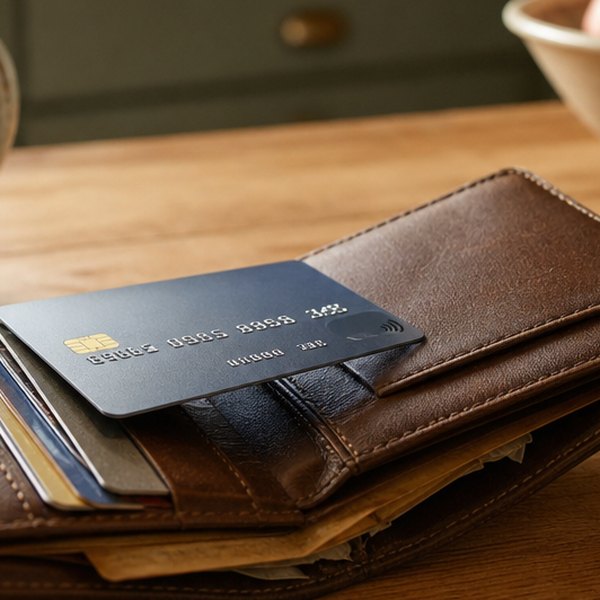
    Go back twenty years and buying a round of drinks, a new jacket or a tank of petrol meant handling actual money. Notes had weight. A tenner had texture. When you handed it over, your hand got lighter and your wallet got thinner and your nervous system registered both. Neuroscientists call this the "pain of paying" – the mild but real discomfort that fires when money physically leaves your possession. It was never pleasant. But it was useful. That small twinge acted as a natural brake.

    Person expressing forbidden or taboo emotion — detail

    Does contactless payment really make people spend more?

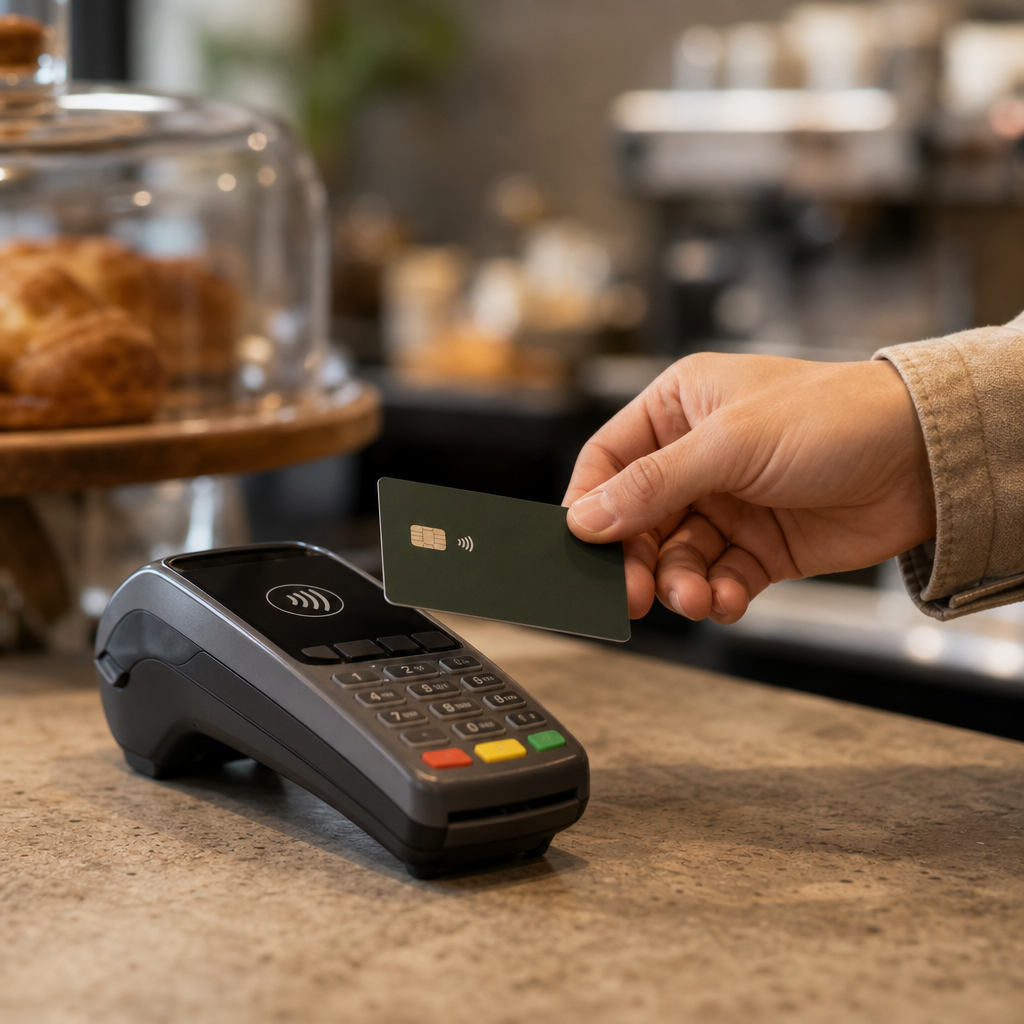
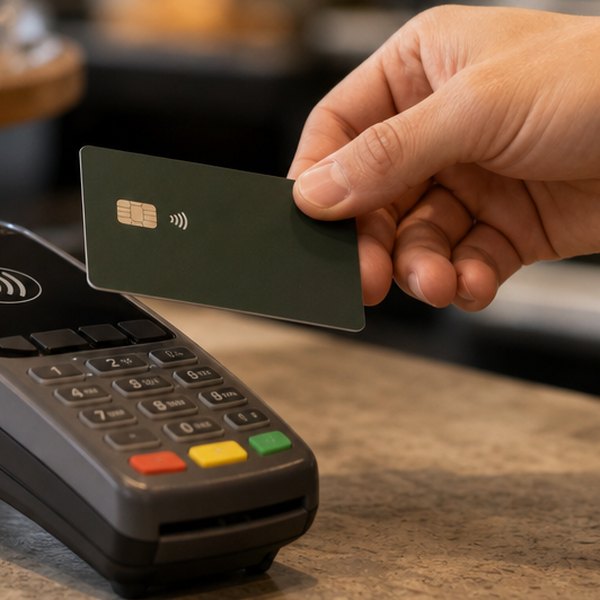
    Tap a card and none of that happens. No rustle, no weight transfer, no visible pile getting smaller. Your hand does something almost identical to pressing a doorbell and receives almost identical feedback: a brief vibration, maybe a beep. Your nervous system, which evolved over hundreds of thousands of years to track resources leaving your body, gets essentially nothing to work with.

    Behavioural economists have found, consistently, that people spend more when paying digitally than when paying with physical cash. Not because they're being reckless, but because the signal that normally says "that resource just left you" never quite arrives.

    This is not an accident of design. It is, in many cases, the design.

    The Sound That Costs You Money

    Payment apps hire sound designers. That satisfying little whoosh or chime when a transaction completes is engineered to feel like a reward, not a loss, and the haptic buzz on your phone is calibrated to feel like a confirmation rather than a departure. What's been taken from your account is framed, sensorially, as something being given to you. A tiny dopamine nudge where a twinge of discomfort used to be.

    Some apps now let you track your spending through colour-coded displays. For an explanation of what those colours are actually telling you, see What The Colours Are Actually Telling You.

    Is a weekly cash envelope worth going back to?

    The research on cash versus card spending is fairly consistent: people who use cash for discretionary spending – meals out, clothes, small treats – tend to spend less. Not because cash is harder to access, but because the physical sensation reactivates that ancient brake. Even the act of counting out notes engages the brain differently from a tap.

    You don't have to go full 1990s and stuff your wages in an envelope. But withdrawing a fixed amount of cash each week for everyday spending, and leaving the card at home for anything that isn't a bill, is genuinely one of the oldest and most effective savings habits there is. It works because your hand notices. Your phone never will.

    Questions this raises

    • How do you bring back the pain of paying digitally?
    • Why did cash use fall so fast in Britain?